
BLOG
The First-Time Investor's Checklist: 10 Steps Before Buying in Australia
Buying your first investment property is one of the most significant financial decisions you'll ever make. Done well, it can be the foundation of long-term wealth. Done poorly, it can set you back years and leave you with an asset that drains rather than builds your financial position.
The difference between the two outcomes rarely comes down to luck. It almost always comes down to preparation.
Here are ten things every first-time property investor in Australia should do before they sign a contract
1. Get Clear on What You're Actually Trying to Achieve
This sounds obvious, but most first-time investors skip it entirely. Before you look at a single property or speak to a single agent, you need to know what you're trying to achieve and over what timeframe.
Are you building long-term capital growth? Generating passive income to supplement your salary? Trying to retire earlier? Planning to build a multi-property portfolio? Each of these objectives leads to a different type of property, in a different market, at a different price point.
Without clarity on your goal, every decision that follows is essentially a guess.
2. Understand Your Borrowing Capacity Before You Start Looking
There is nothing more deflating than finding a property you're excited about and then discovering you can't finance it. Speak with a mortgage broker who specialise sin investor lending before you start your search. They can give you a clear picture of how much you can borrow, what your repayments will look like at different price points, and whether your current structure is set up to support future purchases.
Knowing your numbers in advance means you can search with confidence rather than guesswork.
3. Set Up Your Finance Structure Correctly From the Start
How you structure your first purchase can significantly affect your ability to buy the second one. Buying in the wrong name, using the wrong loan type, or structuring your debt incorrectly can limit your borrowing capacity down the track and create tax complications that are expensive to unwind.
Your mortgage broker and accountant should both be involved in this conversation before you commit to anything. Getting the structure right from the beginning is far cheaper than fixing it later.
4. Understand the Full Cost of Buying
The purchase price is only part of what you'll pay. First-time investors consistently underestimate the additional costs involved in acquiring a property, which can add up to a meaningful sum depending on the state and price point.
Budget carefully for stamp duty, conveyancing and legal fees, building and pest inspection reports, loan application and establishment fees, landlord insurance, and any immediate maintenance or repairs the property may need before it's tenanted. In some states, land transfer fees and mortgage registration costs add further to the total. Going in with an accurate picture of your total acquisition cost protects you from being caught short at settlement.
5. Research Markets Before You Research Properties
The most common mistake first-time investors make is finding a property they like and then trying to justify the market around it. The better approach is the reverse: identify a market with strong fundamentals first, and then find the best property within it.
Look at population growth, rental vacancy rates, infrastructure investment, supply constraints, and where the market sits in its current cycle. A well-chosen market will do a lot of the heavy lifting for you over time. A poorly chosen market can make even a good property a disappointing investment.
6. Know What Kind of Property Suits Your Strategy
Not all property types perform equally, and the right asset for your strategy may be different from what you'd choose for yourself to live in. Houses on land tend to offer stronger long-term capital growth in most markets. Units and apartments can offer higher yields but often come with body corporate costs, less land content, and greater supply risk in some locations.
New properties and off-the-plan purchases can offer depreciation benefits but often come at a premium to established stock and carry development risk. Understanding the trade-offs for each property type before you start looking means you're evaluating options against a clear standard rather than making it up as you go.
7. Do Proper Due Diligence on Every Property You Consider Seriously
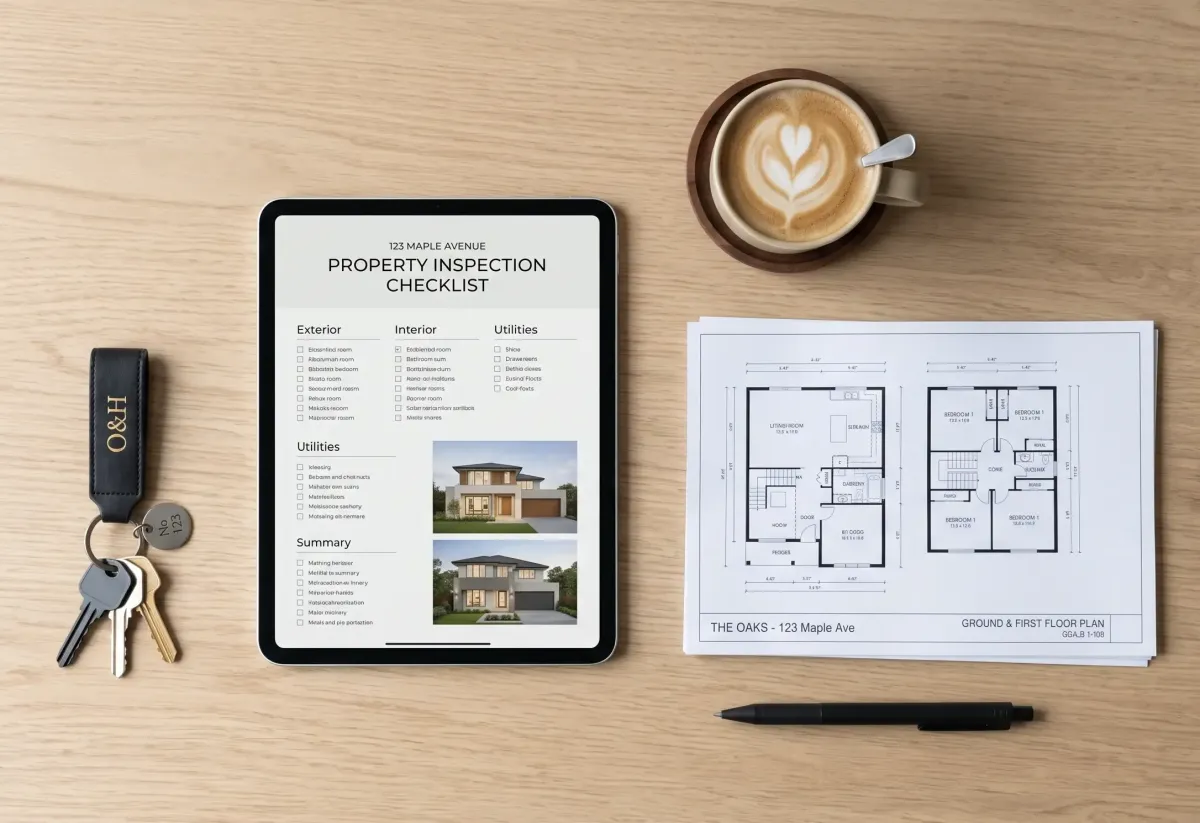
Due diligence is not optional. Before making an offer on any property, you should obtain a building and pest inspection report from a qualified inspector, review the contract of sale with a conveyancer, check for any encumbrances, easements, or overlays on the title, and review strata records if the property is part of a strata scheme.
You should also run comparable sales analysis to confirm that the asking price is in line with what similar properties have actually sold for in the area. A property that looks like a bargain on the surface can quickly reveal problems that explain the price once you look more carefully.
8. Have a Clear Tenant Profile in Mind Before You Buy
A property is only an investment if someone is paying rent for it. Before you buy, think carefully about who your tenant will be and whether the property genuinely suits that person. A property in a suburb with strong demand from young families needs to offer what young families want. A property near a university or hospital has a very different tenant profile and should be assessed accordingly.
Speak with a property manager in the area before you buy if you can. They will give you an honest read on rental demand, the going rate for that type of property, and what tenants in that area are looking for. That conversation is free and can save you from buying a property that sits vacant.
9. Build the Right Team Around You
Property investment is not a solo activity. The investors who consistently do well have good people around them. At a minimum, you need a mortgage broker who understands investor lending, an accountant who is experienced with property investment and depreciation, a conveyancer to handle the legal side of the transaction, a property manager to look after the asset once you've purchased it, and ideally a buyer's agent who can help you find, assess, and secure the right property in the first place.
Each of these professionals plays a different role and their advice should complement each other. A good buyer's agent will also be able to refer you to trusted professionals in each of these areas if you don't already have them.
10. Go in With a Long-Term Mindset
Property investment rewards patience. Markets move in cycles, and there will be periods where your property's value appears to plateau or soften. Investors who panic during these periods and sell prematurely often crystallise losses that would have been paper-only if they had stayed the course.
The investors who build genuine wealth through property are those who buy well, hold through the cycle, and make decisions based on their long-term strategy rather than short-term market noise. Going in with that mindset from the beginning will serve you well every time the market throws something unexpected at you.
Ready to Make Your First Investment Property Purchase With Confidence?
At Joshua Anthony Buyers Agent, we specialise in helping first-time investors navigate the Australian property market with clarity and a clear strategy. From identifying the right market and property through to negotiating the purchase and supporting you through settlement, we're with you at every step.
Our process starts with a free 15-minute Discovery Session to understand your goals and assess whether we're the right fit to work together.
Book your free Discovery Session today at joshuaanthony.com.au
Your first investment property sets the foundation for everything that follows. Let's make sure it's the right one.
Frequently Asked Questions
How much deposit do I need for my first investment property in Australia?
Most lenders require a minimum deposit of 10 to 20 per cent of the purchase price for an investment property, plus additional funds to cover acquisition costs such as stamp duty and conveyancing fees. Some lenders will accept a smaller deposit with lenders mortgage insurance, but this adds to your overall cost. Speaking with a mortgage broker early will give you a clear picture of what you need to have in place.
Should I buy an investment property before I buy my own home?
This depends on your personal circumstances, financial position, and goals. Some investors choose to rent where they want to live and invest where the numbers make sense, a strategy sometimes called rent vesting. Others prefer to own their own home first before building a portfolio. There is no single right answer. A good mortgage broker and buyer's agent can help you assess which approach makes more sense given your specific situation.
Do I need a buyer's agent for my first investment property?
You are not required to use a buyer's agent, but most first-time investors who do find that it significantly reduces their risk. A buyer's agent brings market knowledge, access to off-market properties, negotiation experience, and objective assessment that is particularly valuable when you're making this kind of decision for the first time. The cost of getting it wrong on your first investment property is usually far greater than the cost of getting proper help from the start.

Quick Links
Social Media Links