
BLOG

What Is Due Diligence When Buying Property? Complete Guide
Due diligence is one of those terms that gets thrown around constantly in property circles, but rarely gets explained properly. Ask five different people what it actually involves and you'll likely get five different answers, some vague, some overly technical.
In simple terms, due diligence is the process of thoroughly checking a property, and everything connected to it, before you commit to buying it. It's the difference between making an informed decision and hoping for the best.
This guide breaks down what due diligence actually involves, why it matters, and what a proper due diligence process should cover before you sign a contract.
Why Due Diligence Matters More Than Most Buyers Realise
A property can look perfect from the street and still come with serious issues that only surface once you dig deeper. Structural problems, unapproved renovations, restrictive title conditions, or a price that's well above what comparable properties have actually sold for are all things that a quick inspection on a Saturday morning simply won't reveal.
Skipping or rushing due diligence is one of the most common and most expensive mistakes buyers make. The cost of a proper due diligence process is almost always small compared to the cost of discovering a serious problem after you've already settled.
The Core Areas Due Diligence Should Cover
A thorough due diligence process looks at the property from several different angles. Each one uncovers a different type of risk.
1. The Core Areas Due Diligence Should Cover
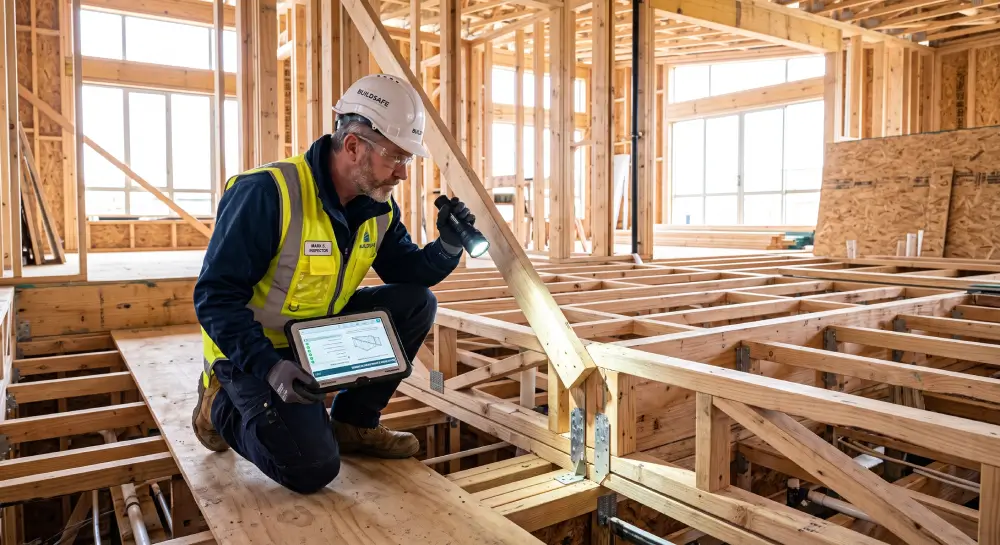
A building and pest inspection, carried out by a qualified and independent inspector, is one of the most important steps in the process. It identifies structural issues, pest damage, moisture problems, and any defects that may not be obvious to an untrained eye. This report gives you either peace of mind or genuine grounds to renegotiate the price, walk away, or budget for repairs.
2. Legal and Title Checks
Before you commit to a purchase, it's important to understand exactly what you're buying. This includes reviewing the certificate of title for any caveats, easements, or restrictive covenants, checking zoning and land use restrictions, confirming boundaries match what's being sold, and identifying any legal issues that could affect your use or future sale of the property. A conveyancer or property lawyer typically handles this part of the process.
3. Strata and Body Corporate Records
If the property is part of a strata scheme, such as an apartment or townhouse, reviewing the strata records is essential. This includes checking the financial health of the owners corporation, any planned or upcoming special levies, outstanding disputes or legal action, building defects that have already been identified, and the general condition of common property. A poorly managed strata scheme can turn what looks like a good investment into an ongoing financial headache.

4. Comparable Sales and Market Value
Understanding what similar properties have actually sold for in the area, rather than what they're listed for, is essential to confirming you're paying a fair price. This involves reviewing recent, genuinely comparable sales, understanding current market conditions and buyer demand, and being clear on the difference between a property's asking price and its actual market value. This is an area where an experienced buyer's agent adds significant value, since accurate comparable sales analysis requires both access to reliable data and the experience to interpret it correctly.
5. Rental and Investment Potential
For investment purchases, due diligence should also cover the property's rental appeal, including likely achievable rent, vacancy rates in the area, tenant demand for that type of property, and any factors that could affect future rental income, such as nearby developments or changing local demographics. Speaking with a local property manager during this stage often provides valuable, practical insight that isn't available from data alone.
6. Council and Planning Considerations
Checking with the local council can reveal important information, including any planned developments or zoning changes nearby, outstanding building approvals or non-compliant renovations on the property itself, flood, bushfire, or other risk overlays, and any current or historical planning disputes affecting the property or area.
What Happens if Due Diligence Uncovers a Problem?
Finding an issue during due diligence isn't necessarily a reason to walk away. It depends on the nature and severity of what's uncovered. Some issues are minor and simply need to be factored into your offer or your budget for future work. Others are more serious and may be genuine reasons to renegotiate the price, request the vendor address the issue before settlement, or decide the property isn't right for you after all.
The value of due diligence isn't necessarily in avoiding every property with an issue. It's in making sure you go into the purchase with full knowledge, so any issue you do accept is a conscious decision rather than an unpleasant surprise after settlement.
Common Due Diligence Mistakes Buyers Make
• Relying only on a visual inspection without commissioning a proper building and pest report.
• Skipping strata record checks on apartment or townhouse purchases, only to discover a large upcoming special levy after settlement.
• Assuming the listing price reflects fair market value without checking genuine comparable sales.
• Rushing the process under pressure at auction or in a competitive multiple-offer situation.
• Not engaging a conveyancer or solicitor early enough in the process to properly review the contract terms.
Most of these mistakes happen not because buyers don't care, but because they're moving quickly, managing the process alone, and don't fully know what to check.

How a Buyer's Agent Supports a Thorough Due Diligence Process
One of the most valuable things a buyer's agent brings to a purchase is a structured, repeatable due diligence process. Rather than trying to learn what to check while under pressure to make a decision, an experienced buyer's agent already has the checklists, the trusted network of inspectors and conveyancers, and the market knowledge required to properly assess a property before you commit.
This matters even more in a competitive market, where buyers often feel pressure to move quickly. A buyer's agent can help you move with genuine confidence, because the due diligence has already been done properly, rather than rushed or skipped altogether.
Buy With Confidence, Not Guesswork
At Joshua Anthony - Buyer’s Agent, thorough due diligence is a core part of every purchase we manage for our clients. From building and pest inspections through to strata reviews, comparable sales analysis, and contract checks, we make sure our clients understand exactly what they're buying before they commit.
Our process starts with a free 15-minute Discovery Session to understand your goals and explore whether we're the right fit to work together.
Book your free Discovery Session today at joshuaanthony.com.au
A well-informed purchase is a confident purchase. Let's make sure you know exactly what you're buying.
This article provides general information only and does not constitute legal, financial, or building advice. Buyers should engage qualified professionals, including a licensed building inspector, conveyancer or solicitor, and where relevant, a financial adviser, before making a property purchase decision.
Frequently Asked Questions
How long does property due diligence typically take?
This depends on the property and the method of sale. For a standard private treaty sale, due diligence can typically be completed within one to two weeks, particularly if you have a conveyancer, building inspector, and buyer's agent ready to move quickly. For auction properties, due diligence needs to be completed before auction day, since offers made at auction are unconditional in most Australian states.
Who is responsible for arranging due diligence when buying property?
The buyer is responsible for their own due diligence. Real estate sales agents represent the vendor and are not obligated to disclose every issue proactively, which is why an independent building and pest inspection, legal review, and market analysis are so important. A buyer's agent can coordinate this process on your behalf.
What is the difference between due diligence and a building inspection?
A building and pest inspection is one component of due diligence, focused specifically on the physical condition of the property. Due diligence is the broader process, which also includes legal and title checks, strata record reviews where applicable, comparable sales analysis, and council and planning checks. A thorough due diligence process covers all of these areas, not just the physical inspection.

Quick Links
Social Media Links