
BLOG
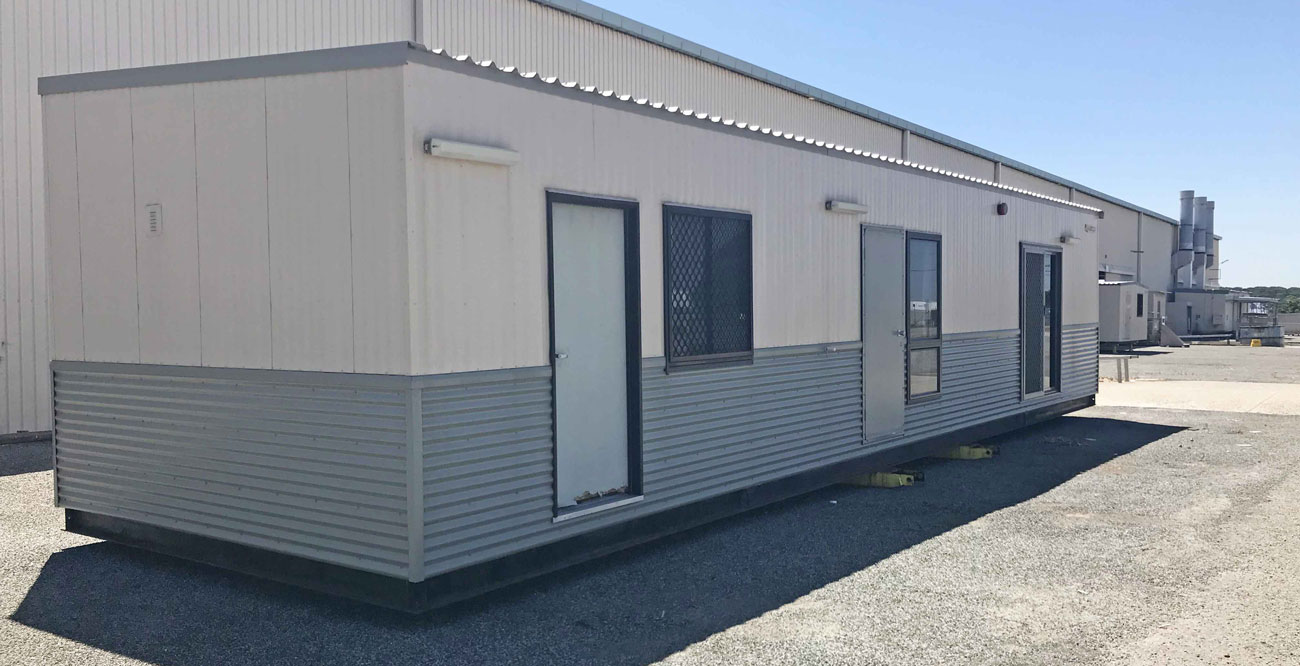
Prefab Housing in Australia: Is the ‘Donga’ the Key to Solving Our Housing Crisis? (Part 1 of 4)
Part 1 of 4 – Rethinking the Past, Reimagining the Future
When most Australians hear the word “donga”, they think of temporary accommodation, mining sites, or demountable classrooms from their school days.
It’s a term deeply rooted in Australia’s building history, often linked with cheap, makeshift shelter.
But what if the donga—or rather, its modern-day evolution—could play a major role in solving Australia’s housing crisis?
We’re entering a new chapter in housing where modular and prefabricated homes are beginning to gain serious attention—not just as affordable housing options, but as climate-resilient, energy-efficient, high-quality homes.
In this 4-part blog series, inspired by Keith Barry, Senior Property Valuer at Regalvale Valuations, we’ll dive into the resurgence of prefab housing, why it’s suddenly relevant again, and what it could mean for the future of Australian homebuyers, investors, and policymakers.
🏠 The Rise of the Modern Donga
Fast-forward to today, and prefab construction has had a complete makeover.
We're now seeing beautiful, architecturally designed modular homes popping up across Australia—homes that can be assembled faster, more sustainably, and often more affordably than traditional builds.
“You’re seeing amazing, high-quality modular homes delivered all around the country now,” says Damien Crough, co-founder of industry body Prefab AUS.
In fact, many modern modular homes are indistinguishable from traditionally built homes when viewed from the street—but on the inside, they often perform even better.

Think:
Superior thermal performance
Better energy efficiency
Faster build times
Less on-site disruption
And crucially, less waste and carbon emissions during construction.
Why It Matters Now More Than Ever
Australia is currently facing a perfect storming housing:
Record-high property prices
Rental shortages in both cities and regional areas
Slow construction timelines
Labour and material shortages
And increasing risk from climate-related disasters like bushfires, floods, and heatwaves
Prefab and modular housing may not be the only solution—but they’re one of the few options on the table that can address multiple issues at once: affordability, speed, and sustainability.
What’s Next in This Series?
In Part 2, we’ll break down how prefab and modular housing works, the technology behind it, and what makes it different from traditional construction.
We'll also explore why Australia has been so slow to adopt this innovation, and what we can learn from countries like Sweden and Japan, where prefab makes up the majority of new housing stock.
Final Thoughts
Prefab housing in Australia is at a crossroads.
With the right public support, industry innovation, and a shift in mindset, the modern “donga” could be reimagined as a mainstream housing option, not just a temporary fix.
Special thanks to Keith Barry, Senior Property Valuer at Regalvale Valuations, whose original series helped spark this conversation.
Stay tuned for the next article in this 4-part series—and if you’d like to chat about alternative housing options, investment opportunities, or how prefab might fit into your property goals, reach out.
We're here to help you think ahead.

Quick Links
Social Media Links